Sense

The context engine behind every smart move.

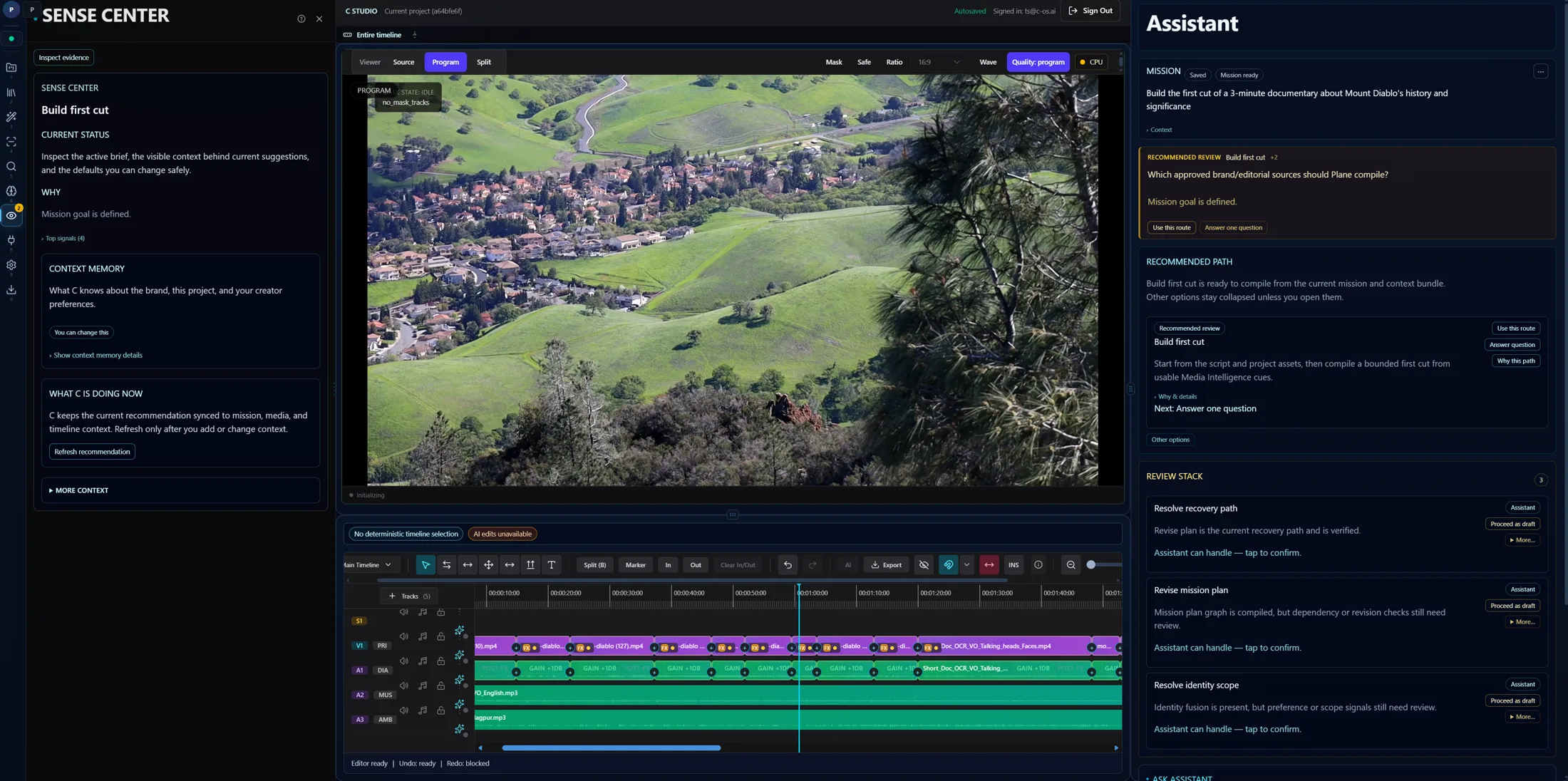
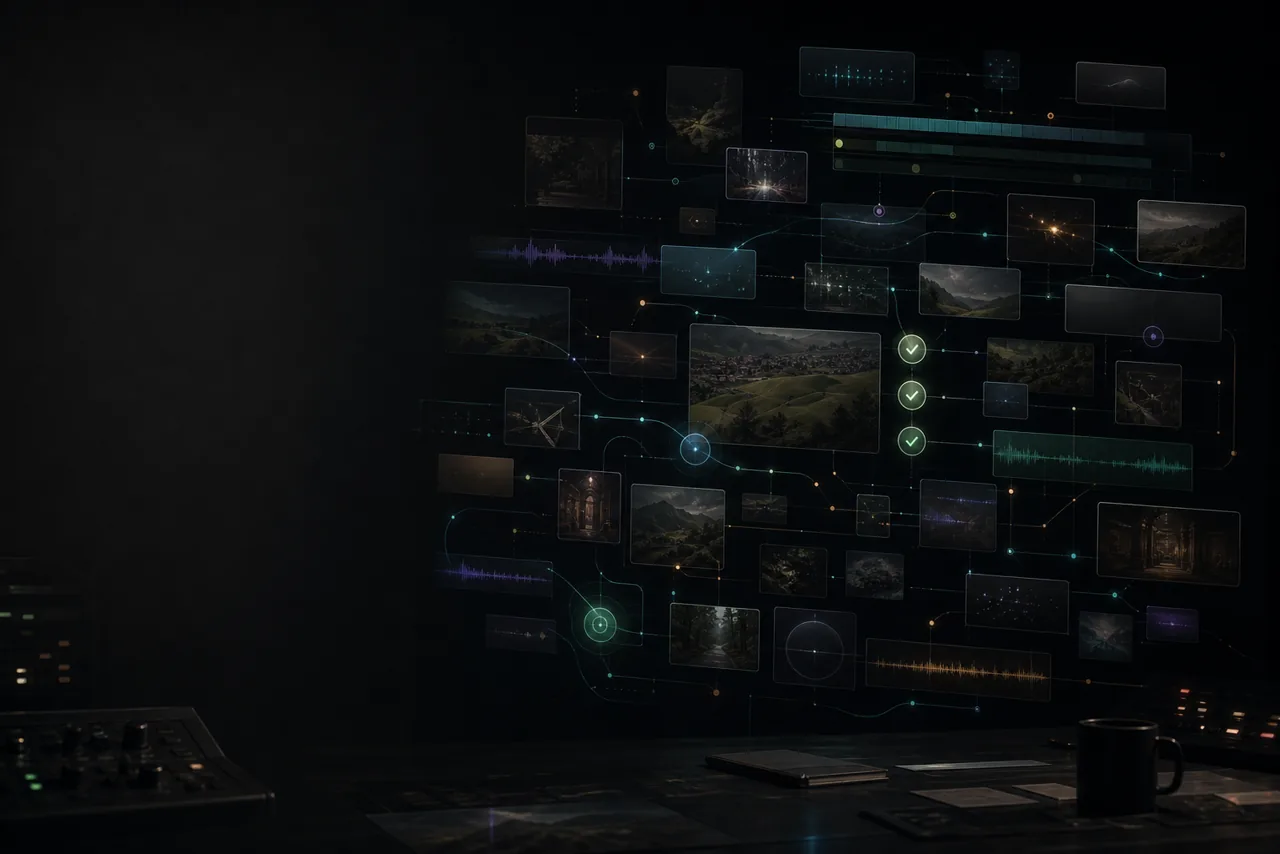
Sense reads story, footage, audio, timeline state, creator memory, project truth, and policy together so actions start from reality, not guesswork.

Understands the work Scopes the change Keeps history
C Sense analyzing a creative workflow inside the Studio interface

Context engine

Understanding first. Action second.

Reads

Story and structure

Reads

Footage and images

Reads

Audio and dialogue

Reads

Policy and constraints

Trust by design

Sense earns trust by staying inside the loop.

Preview happens before approved change, so teams can evaluate intent and impact before the project state moves.
Approval remains explicit, which keeps the human accountable for the final decision without forcing them to do all the reasoning manually.
Undo and provenance preserve continuity after the action, which is what keeps automation from becoming hidden state drift.

No black-box behavior

Better understanding should improve decisions, not earn the right to bypass review.

What Sense reads

The context picture is broad enough to matter and specific enough to trust.

Sense works from concrete project evidence, not generic model confidence.

Signal 01

Story and structure

Sense reads scenes, beats, themes, continuity, and narrative intent instead of treating media as disconnected clips.

Signal 02

Footage and image evidence

Visual content, shot context, pacing, and continuity are part of the operating picture before a plan is formed.

Signal 03

Audio and dialogue

Dialogue, timing, energy, and sound cues help the system understand whether a change will support or break the scene.

Signal 04

Timeline state

Sense knows where the edit currently stands, what was approved, and what should remain untouched.

Signal 05

Creator memory

Opt-in memory and prior decisions help the system avoid repeating avoidable mistakes or re-explaining known preferences.

Signal 06

Project truth and policy

Project constraints, governance, and approval boundaries are explicit inputs, not hidden checks after the fact.

What Sense changes

Understanding only matters if it improves the work.

Sense turns richer understanding into bounded, reviewable action instead of hidden automation.

01

Understand the work

Sense starts from what is happening in the project right now, not from an empty chat box.

02

Scope the move

It proposes bounded options with evidence instead of collapsing multiple risky actions into one opaque command.

03

Support review

Preview, approval, and rollback stay in the loop so the human can accept, reject, or refine the plan.

04

Update history

After approved change, the system updates project truth and provenance so future work starts from the new reality.

Proof

See Sense where it matters: inside the workflow.

Open the public-safe demos or request a guided walkthrough of how Sense moves from understanding to approved change.